

12 events found.
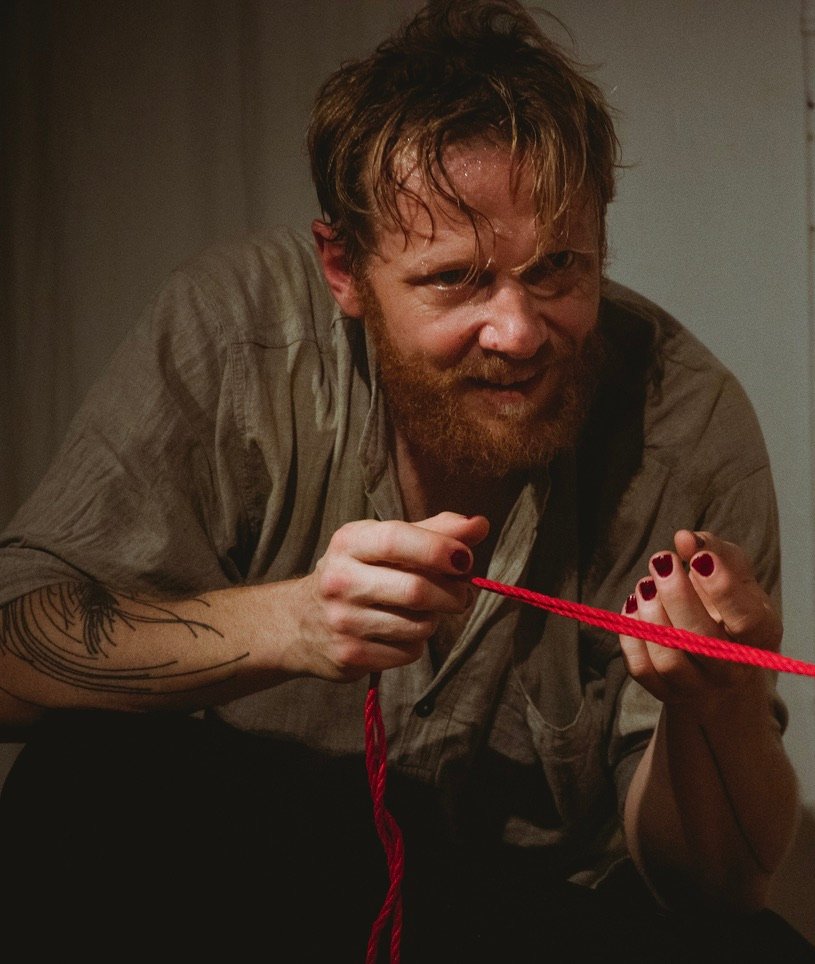
Georg Barkas
Posts by Georg Barkas

Events from this organiser
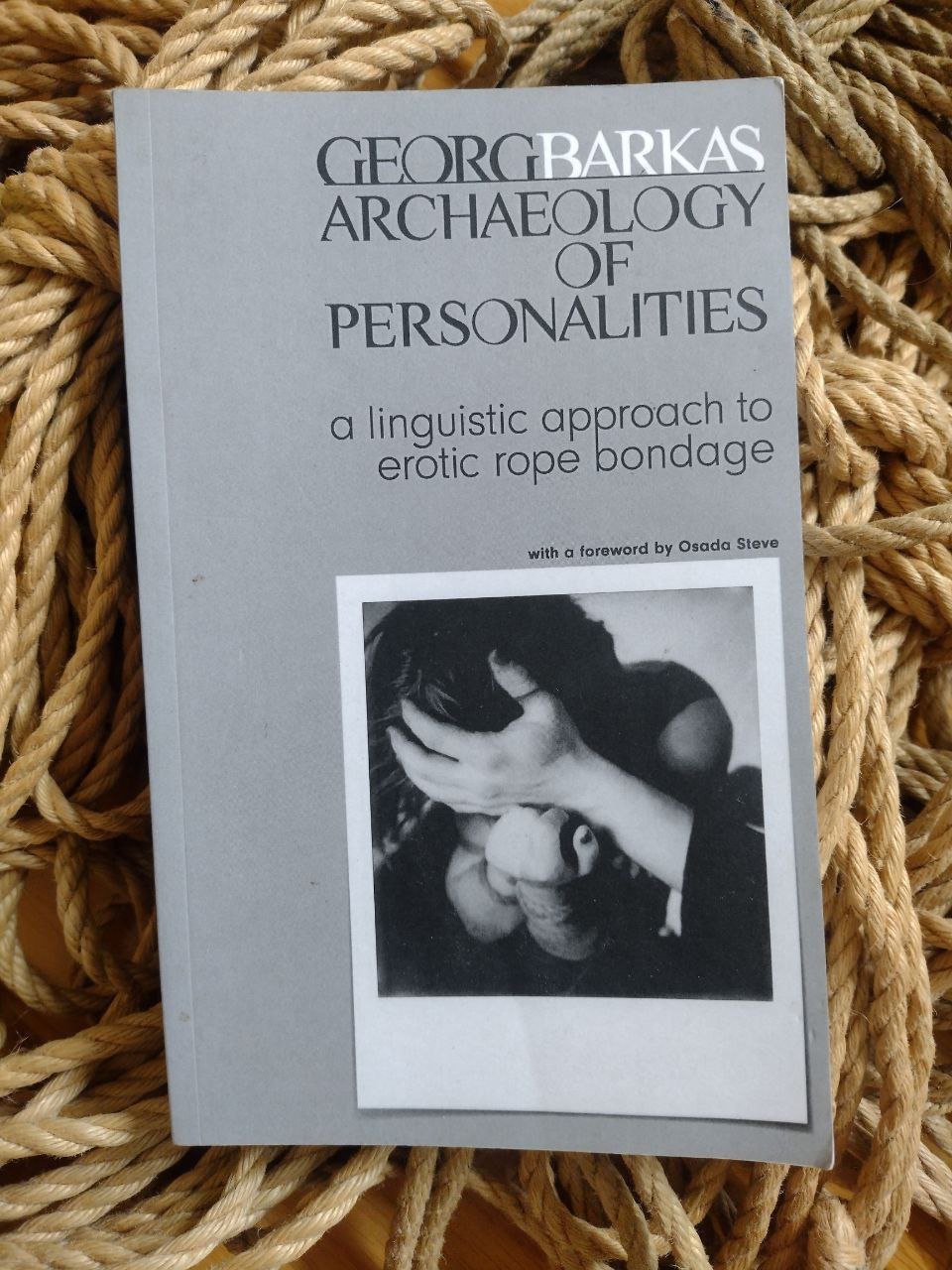
Next year will mark 10 years since Archaeology of Personalities was published. It introduced the concept of "the interview" as a metaphor in rope bondage to a wider audience and is still the only book that discusses rope bondage through the lens of western philosophical tradition. How do we think about rope today, compared to...

In-House
Technically A Suspension
This is a class in opposition to the often high pressures and demands of suspension, where the goal is to find ways to leave the ground without adding complication, physical strain, or pretentiousness. Perhaps we get off the ground for a moment, or a cm, or partly supported on a body/furniture, or using a pulley,...
In-House
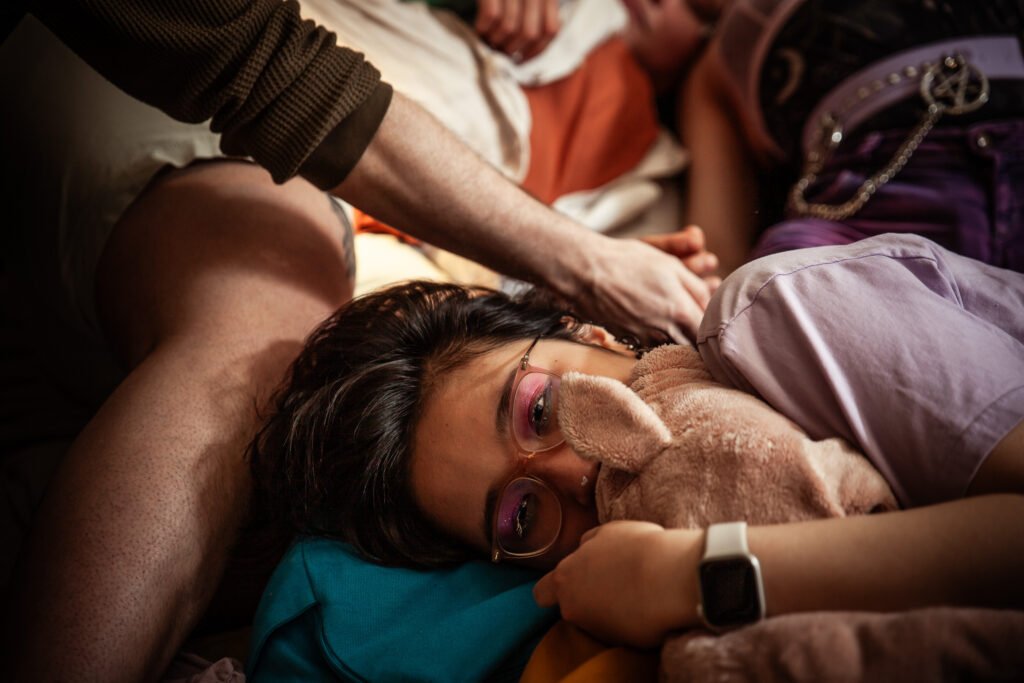
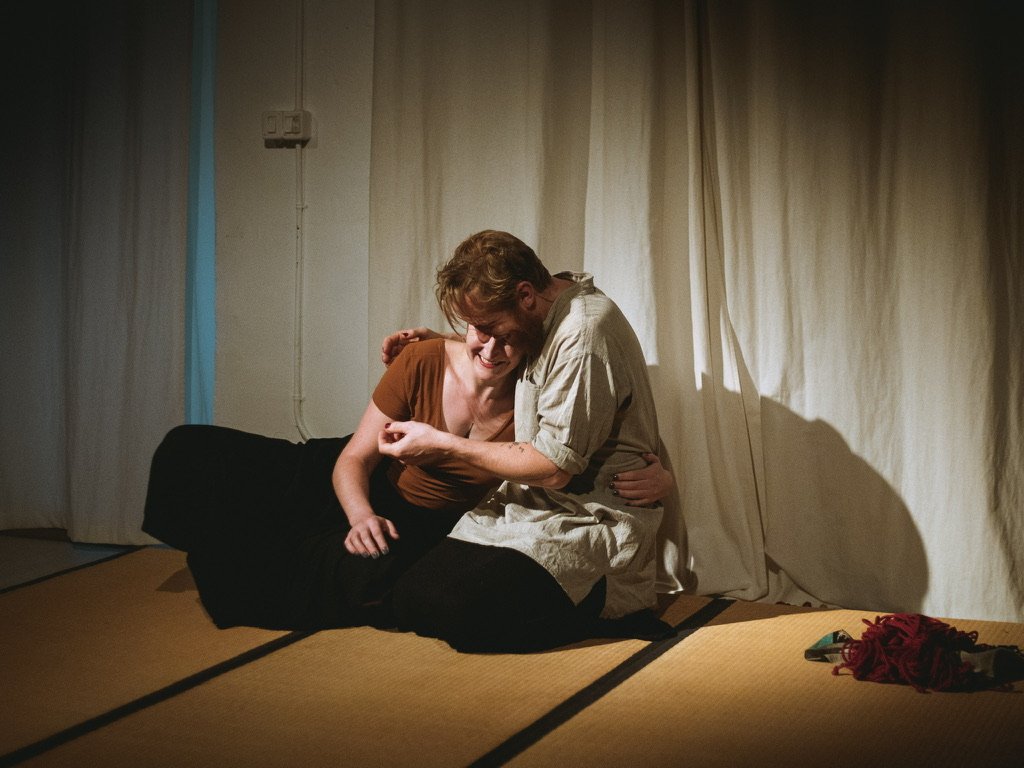
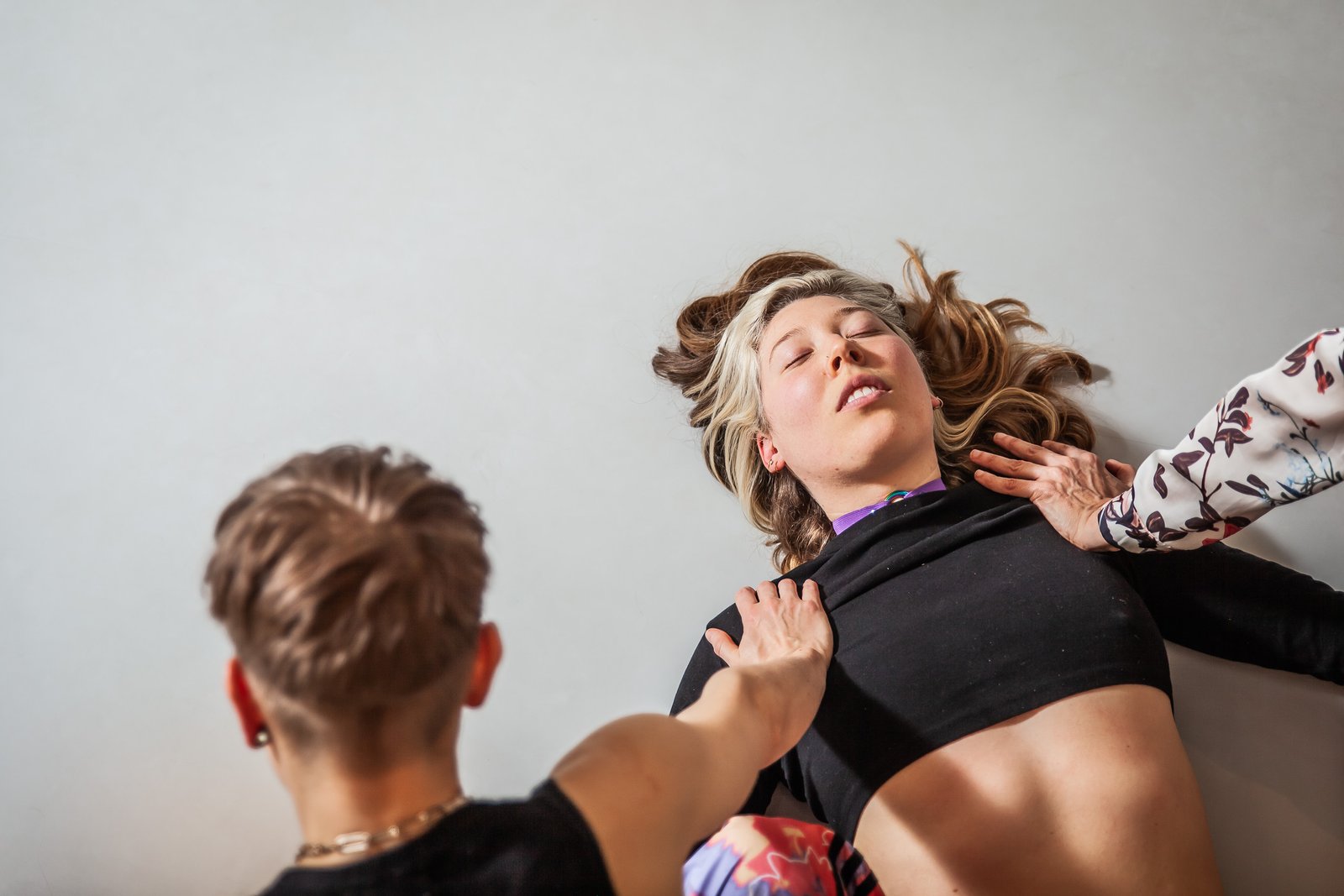
Intimate Session: Addie & Barkas
This series allows rope facilitators to show participants how they approach intimate sessions, away from modes of teaching or performing. Come and witness an improvised intimate moment amongst people who do rope (pretty well). We will blur the lines of the private and the public, the curated and the improvised. After the session, there is...
In-House
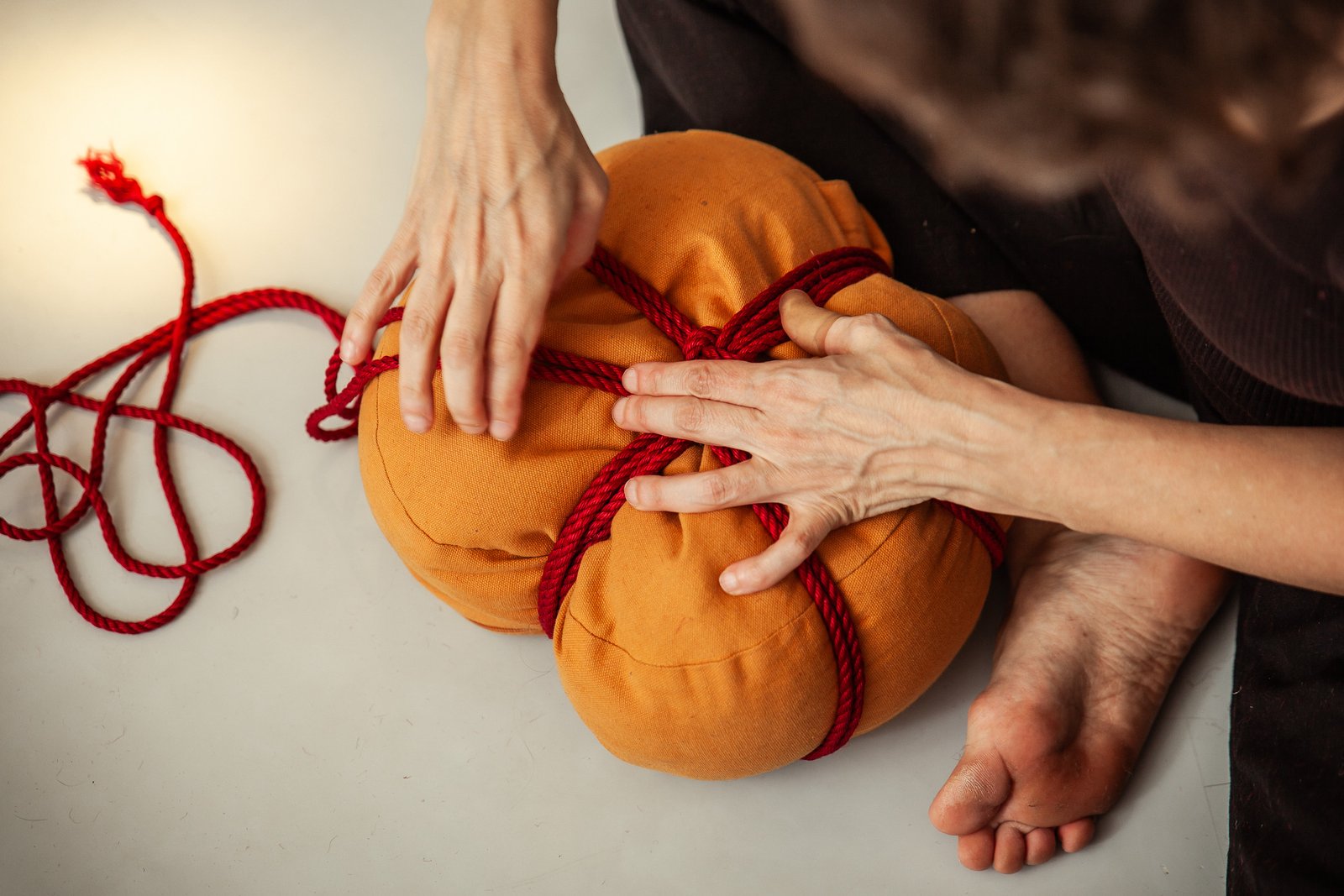
The Single! The Column! The Tie!
Single column ties are the first structure most people learn, the starting point to many ties, the foundation of suspension lines, one of the most pervasive elements of rope play… yet they are hardly ever the centre of teaching attention. This class approaches single columns from a variety of directions - finger techniques to tie...

In-House
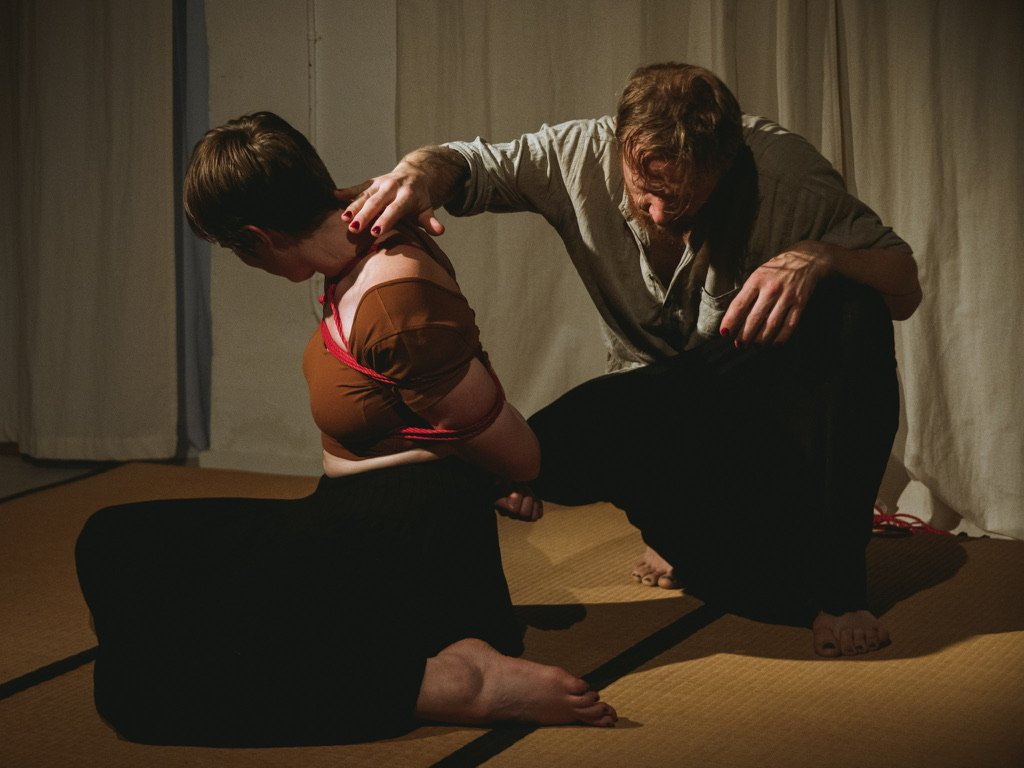
Addie & Barkas: Experimental Kinbaku
For Addie and Barkas experimental kinbaku means exploring ways of tying with each other that don’t rely on cliches of tradition, sexuality, or psychology. In this weekend intensive, we will develop different approaches to Kinbaku by stepping into a dialogue with other forms of interpersonal interaction. We will implement contexts of intimacy, communication, power, art,...
Virtual
Architectures of Kinbaku
Kinbaku scenes are built first and foremost around people. But also around the rope structure as well as the position and last but not least, the purpose of the scene. If we look at tying from the perspective of how they are constructed and if we acknowledge that everyone has their own view on tying,...

Kink is Political is an online discussion with Addie Tahl, Georg Barkas, Andrea Rimon, and occasional special guests. Participants are invited to join a discussion during which we unite critique with an emphasis on the practical and day-to-day issues and challenges of kink, intimacy, and relationships. Focusing on concepts central to BDSM, leather, rope, and...

Virtual
Consent – An Overdue Critique
Virtual Event
The concept of consent is omnipresent in the rope world and beyond. And for good reasons. Obviously, we want to ensure that we don’t harm each other or get harmed in any way, and consent seems to be the best possible modality to reduce the risk of harm. Over the last decade and even before...
Virtual Event
Effective rope handling can make the difference between a good and a fantastic rope scene. There are two ways of looking at efficiency when tying, one with relation to time and one with relation to control. In this two part class series, we will be working on ways to handle ropes and bodies in ways...
37,50€ – 67,50€
Virtual Event
Kink is Political is an online discussion with Addie Tahl, Georg Barkas, Andrea Rimon, and occasional special guests. Participants are invited to join a discussion during which we unite critique with an emphasis on the practical and day-to-day issues and challenges of kink, intimacy, and relationships. Focusing on concepts central to BDSM, leather, rope, and...
5,00€
Virtual
Kink is Political – Consent?!
Virtual Event
Kink is Political is an online discussion with Addie Tahl, Georg Barkas, Andrea Rimon, and occasional special guests. Participants are invited to join a discussion during which we unite critique with an emphasis on the practical and day-to-day issues and challenges of kink, intimacy, and relationships. Focusing on concepts central to BDSM, leather, rope, and...
5,00€
Virtual
Kink is Political – Welcomeness
Virtual Event
Kink is Political is an online discussion with Addie Tahl, Georg Barkas, Andrea Rimon, and occasional special guests. Participants are invited to join a discussion during which we unite critique with an emphasis on the practical and day-to-day issues and challenges of kink, intimacy, and relationships. Focusing on concepts central to BDSM, leather, rope, and...
5,00€