The Complete Guide to Shibari Rope Care, Treatment & Maintenance
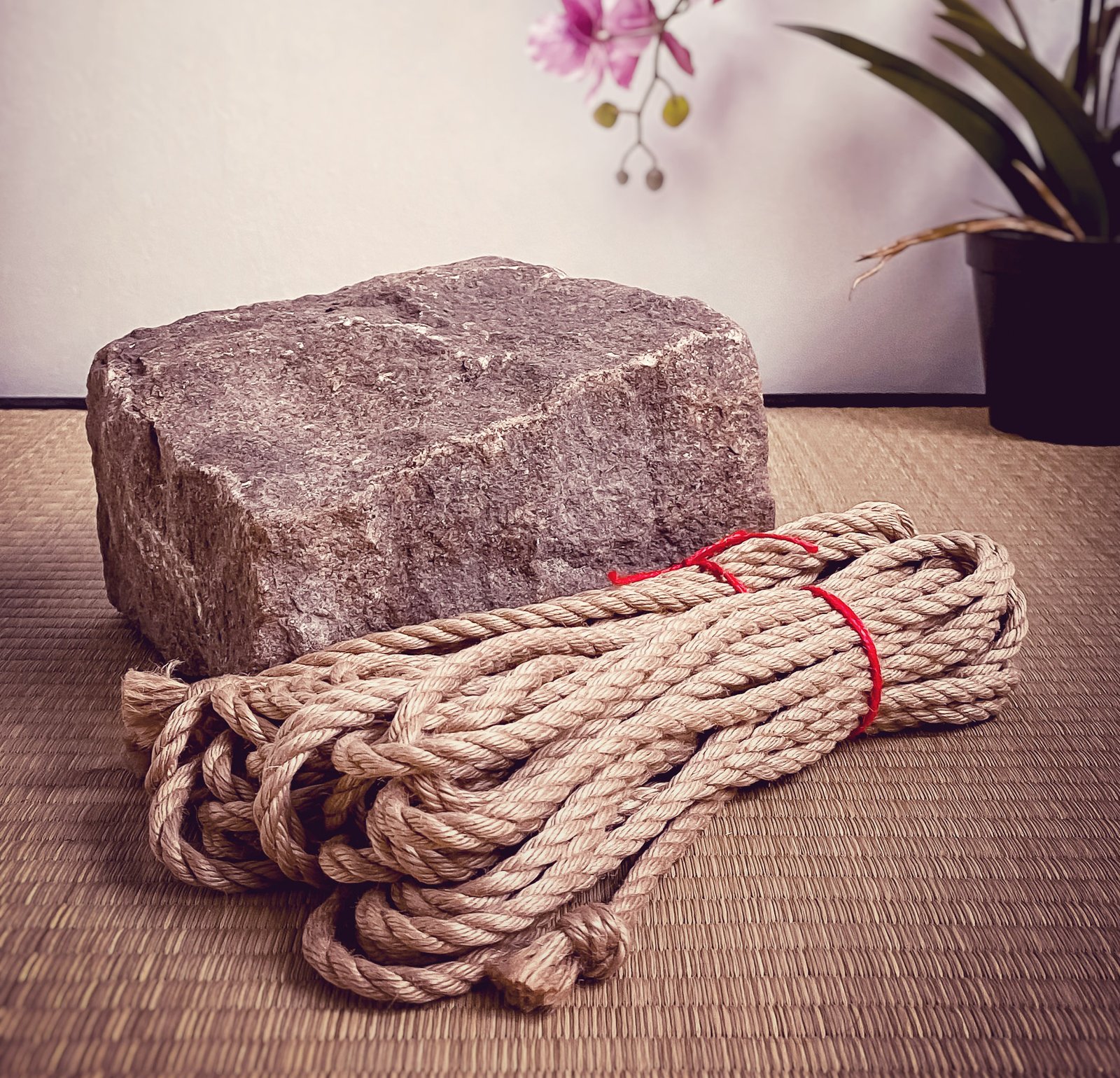
Your natural fiber bondage rope is more than just a tool. With proper care and attention, it will remain strong, supple, and reliable for years to come.

Why Rope Care Matters
Your shibari rope carries a unique responsibility: it supports bodies, enables connection, and must perform reliably under tension. Whether you’re just beginning or have years of experience, proper maintenance is essential to keep your rope safe, comfortable, and visually refined over time.
Well-treated rope retains its strength, texture, and character far longer. Conditioning and maintenance are not extras, but practical steps that protect both the material and the experience of tying.
This guide brings together knowledge from rope practitioners around the world, offering clear guidance on treating, conditioning, and maintaining natural fiber shibari rope for long-term use.
Understanding Natural Fiber Rope
Jute vs. Hemp: A Quick Comparison
| Characteristic | Jute | Hemp |
|---|---|---|
| Weight | Lighter (easier to handle) | Heavier (slower handling) |
| Texture | Springy, slightly scratchy (when untreated) | Soft, smooth |
| Grip | Excellent “tooth” for frictions | Good grip |
| Durability | 1-3 years with regular use | Longer-lasting |
| Maintenance | Higher maintenance | More forgiving |
| Best for | Dynamic tying, traditional aesthetics | Beginners, sensitive skin |
Both materials are natural, biodegradable fibers that require conditioning to perform well. The choice between them is personal — some practitioners love the lightness and responsiveness of jute, while others prefer hemp’s softness and durability.
What is JBO and Why Does it Matter?
JBO (Jute Batching Oil) is an oil used during rope manufacturing to keep machinery running smoothly and soften the jute fibers. You’ll often see “JBO-free” marketed as a premium feature — but what does it actually mean for you?
The basics:
Most jute rope worldwide is manufactured using mineral-based JBO, which has a distinctive kerosene-like smell. Some studies from the 1980s raised concerns about skin irritation and long-term exposure in industrial settings, which is why alternatives like soybean oil or castor oil (called VOT—Vegetable Oil Treated) exist. These are more expensive to produce but have no petroleum smell.
Allergy note: Some people can develop an allergic reaction to JBO. If you or your partner notice persistent skin irritation, redness, or rash after using JBO-batched rope, consider switching to JBO-free rope.
The practical reality:
- The amount of JBO in bondage rope varies a lot depending on how rope is produced or treated
- Some people with sensitive skin may experience irritation from untreated JBO rope
- Many practitioners have tied with JBO-batched rope for decades without issues
- The characteristic smell fades significantly with airing and conditioning
Removing JBO from New Rope:
If you want to reduce JBO in your rope before use, several methods exist — each with different tradeoffs:
- Oven on low heat (several hours, door cracked open) — Highly effective at drawing out JBO, but requires heavy ventilation so you’re not breathing in the vapors. Not recommended in small or poorly ventilated kitchens.
- Steaming (3–4 minutes) — Introduces some moisture into the rope and has an ok-ish effect on JBO removal. Gentler option, but less thorough.
- Hanging in a well-ventilated, dark space — Works over time but takes ages. Low effort, low risk.
- Tumble drying — Quite effective and easy if you have access to a dryer. A practical everyday option. (See also: Breaking In the Rope, below.)
- Sun bathing — Quite effective, but UV exposure makes rope more brittle over time. Use sparingly.
- Singeing over a flame — Removes a bit of JBO but ropes can still retain some smell. Best used in combination with other methods.
Many of these methods can be combined. Start with a low-effort approach (hanging or tumble drying) and escalate only if needed.
Why conditioning matters:
Proper conditioning does more than make your rope feel nice — it creates a protective layer on the fiber surface. When you treat your rope with an oil-wax mixture (like jojoba and beeswax or berry wax), the wax component stays on the outer surface of the fibers rather than being absorbed. This means well-conditioned rope has a treated barrier between the raw fiber and your skin.
Our take:
We work with both JBO-batched and JBO-free rope. What matters most is proper conditioning. A well-treated rope — regardless of its manufacturing process — will feel better, last longer, and have that protective surface layer. If you know you have sensitive skin or prefer to avoid petroleum-based products entirely, JBO-free options are available. For most people, properly conditioned rope of either type works beautifully.
Find our Ropes at ohyesplease.org/shop
Initial Rope Treatment: From Raw to Ready
Step 1: Secure Your Ends
Before anything else, prevent your rope from unraveling. Options include:
- Simple overhand knot — Quick and functional
- “Untwisted” overhand knot — Quick and compact
- Thistle knot — Low profile and elegant
- Matthew Walker knot — Traditional and beautiful
- Whipping — Thread wrapped around the end (time-intensive but durable)
Why many practitioners use end knots
For most shibari practitioners, end knots are the simplest and most practical way to finish rope ends. Their main purpose is to keep the rope from coming apart, but they also improve how the rope behaves in use. An end knot creates a clear stopping point, which is useful when joining ropes with a lark’s head (cow hitch). The hitch can sit neatly against the knot without slipping. The small amount of added weight at the rope ends also makes the rope easier to handle, especially during fast transitions.
From a maintenance perspective, end knots are practical over time. Simple knots can be undone without cutting the rope, allowing you to correct uneven strand tension, address high-stranding, or rework worn rope ends. Being able to open and adjust the rope helps extend the usable life of the rope.
Choosing what works for you:
There’s no single correct finish — it comes down to preference and how you use your rope. A few practical considerations:
- Simple knots are easier to undo, which matters when repairs or rebalancing are needed.
- A bit of bulk at the rope end increases versatility, especially for hitches and finishing techniques.
- Very slim finishes, such as whipping, can be limiting. While tidy, they offer fewer options for handling and adjustment later on.
Practitioners who tie regularly tend to favor straightforward end knots. They may be less decorative, but they hold up better to frequent use, conditioning, and long-term maintenance.
Step 2: Break In the Rope (Optional Methods)
New rope can be stiff and rough. You can either:
Let time do the work: Simply tie with your rope regularly. Natural body oils and friction will gradually soften it. Many Japanese kinbaku artists use this method exclusively.
Accelerate with tumble drying: Running rope through a dryer (on low heat, inside a pillowcase) can help relax fibers and shed loose fuzzies. Caution: This can be a fire risk and may vaporize JBO if present — ensure good ventilation.
Break over a ring: Thread your rope through a large carabiner, twist it around itself, and pull back and forth. This breaks down stiff fibers but also causes wear — use judiciously.
Step 3: Remove the Fuzzies (Singeing)
New rope often has small fibers (“fuzzies”) sticking out. To remove them:
- Light a gas flame (camping stove works well) on high heat
- Hold about 45cm (1.5 feet) of rope between two hands
- Pass the rope quickly through the flame, gently twisting for coverage
- Each section needs only 1-2 seconds
- Keep the rope moving — never let it sit in the flame
Important: Work in a well-ventilated area. JBO-batched rope may produce more smoke and smell.
Step 4: Condition with Oil
Tumbling and singeing can dry out your rope. Oiling restores moisture and keeps fibers supple.
Recommended oils:
| Oil | Properties | Notes |
|---|---|---|
| Jojoba oil | Long shelf life, similar to skin’s natural oils | Gold standard, more expensive. Fun fact: jojoba is technically a liquid wax, not an oil—which is why it stays stable so long and doesn’t go rancid. |
| Camellia oil (Tsubaki) | Traditional Japanese choice, light texture | Affordable, absorbs well |
| Baby oil | Widely available, affordable | Works fine, though it has a distinctive scent that some love and others don’t. |
How to apply:
- Put a small amount of oil on a rag
- Pull the rope through the rag from one end to the other
- Return in the opposite direction (this maintains rope balance)
- Use sparingly—too much oil makes rope greasy and heavy
Avoid: Coconut oil (sits on surface, doesn’t absorb), olive oil (can go rancid), anything with a short shelf life. — they will turn moldy over time and ruin your rope.
Step 5: Wax (Optional)
After oiling, a light wax coating can:
- Add subtle shine
- Provide additional protection
- Improve handling and grip
- Help seal in moisture
- Reduces rope burn on skin — wax creates a smoother surface that glides rather than drags
Popular wax recipes:
- Traditional: 70% jojoba oil + 30% beeswax
- Vegan: Jojoba oil + Mokurō wax (Japanese sumac wax), berry wax or soy wax
Apply very sparingly (less than a pea-sized amount per 8m length) using a rag or your hands.
Too much wax? If your rope becomes sticky or waxy after conditioning, you have two options to fix it: singe the rope quickly over a flame, or microwave it for 10 seconds at a time. The heat causes the wax to penetrate into the deeper layers of the fibers, eliminating the sticky surface feel. Repeat in short intervals until the stickiness is gone.
Step 6: Polish (Optional)
For an extra-beautiful finish:
- Loop one end of your rope over a bamboo pole or pull-up bar
- Put two twists in the rope
- Gently draw the rope against itself 5 times
- Move to the next section and repeat
This distributes oil and wax evenly and creates a lovely lustre.
Ongoing Maintenance: Keeping Your Rope Happy
Storage: How You Store Matters
Long-term storage (more than a few days):
- Hang over something with a thick diameter (bamboo, curtain rail, padded carabiner)
- Store in a cool, dry, ventilated location
- Keep away from direct sunlight (UV damages fibers)
- Consider silica gel packets to prevent moisture damage
Short-term/travel:
- Use loose hanks or folded bundles
- Don’t make hanks too tight (creates kinks and blocks airflow)
- Never use the “daisy chain” method for natural fiber rope
Ready for play:
- Some prefer folded bundles, others like tighter wrapping
- Choose what lets you deploy rope smoothly
Important: A rope you store for a long time without use can still degrade and break unexpectedly — even if it looks perfect on the surface. Natural fibers deteriorate with age regardless of handling. Always do a thorough inspection before returning an unused rope to active service, especially for suspension.
Between Sessions: Quick Care
- Hang your rope after use to air out and straighten
- Run it through your hands from the bight to both ends — this redistributes tension across all three strands
- Check for damage before each use
When to Re-Condition
Signs your rope needs attention:
- Feels dry or rough
- Getting fuzzy again (not the new-rope fuzz, but broken fibers)
- Lost its “flow” or handles stiffly
- Looking dull
Frequency depends on use:
| Usage Level | Re-conditioning Frequency |
|---|---|
| Infrequent/floor work only | Once a year |
| Regular (weekly) | Every 3-6 months |
| Intensive (multiple suspension sessions weekly) | Every 8-12 weeks |
Repeat the singeing → oiling → waxing process as needed.
Cleaning Rope: Handle with Care
The Golden Rule
Only wash your rope when absolutely necessary — when contaminated with bodily fluids (blood, urine, feces, vomit, etc.). Natural fiber rope (especially jute) and water are not friends. Hemp and jute are naturally antimicrobial and will kill most germs through simple air-drying.
On blood contamination: Washing is not always strictly necessary. As long as the rope dries completely and is not used for at least 2 weeks, hepatitis virus remains active in dried blood for approximately 2 weeks after contamination. However, many people choose to wash for psychological comfort or if the rope has a smell — both are completely valid reasons. Always clearly label any rope that has been contaminated and quarantine it until fully decontaminated.
If You Must Wash Jute
- Use cool water and very mild detergent
- Don’t agitate harshly
- Dry under tension — This is critical!
Drying process:
- Hang in loose coils until it stops dripping
- Stretch the rope taut between two fixed points (use twine to attach, not knots in the rope itself)
- Let hang until barely damp
- Pull tight again
- Hang until completely dry (can take several days)
- A fan can speed the process
Why tension matters: Jute fibers curl when wet. Without drying under tension, your rope will become short, fat, and mushy — essentially unusable for shibari.
Washing Hemp
Hemp is more forgiving. You can:
- Machine wash on delicate with cold water (inside a pillowcase)
- Or hand wash in a bucket with mild detergent
- Use extra spin cycle to remove water
- Dry under tension (same process as jute, but less critical)
Alternative: Dedicated Rope Sets
Rather than washing, many practitioners keep separate rope sets:
- Personal body rope for one specific partner
- Intimate use rope (for crotch ties, etc.) marked clearly
- General rope for floor work and harnesses
This approach respects consent boundaries and simplifies hygiene management.
Tip for intimate/genital ties: Consider using cotton rope for genital area ties. Cotton can be machine washed easily, making hygiene management much simpler. It’s softer on sensitive skin and a dedicated cotton set removes the need to decontaminate more expensive natural fiber ropes.
Knowing When to Retire Your Rope
Warning Signs: Time to Downgrade or Replace
1. Thinning
- Compare to original diameter (usually 6mm)
- Check especially at the bight (middle of rope)—this area wears fastest
- If noticeably thinner (looking like 5mm), retire from suspension
2. “Popped” strands
- Individual strands sticking out like hairs
- Especially visible at the bight
- Indicates structural weakness
3. High-stranding
- One strand pulling more than the others
- Creates uneven appearance
- Can sometimes be fixed by working the strand back into place
4. Excessive hairiness (on old rope)
- Different from new-rope fuzz
- Indicates broken fibers throughout
- Rope has reached end of useful life for load-bearing
5. Dryness that won’t improve
- If conditioning no longer helps
- Rope feels brittle
- Dry rope breaks more easily
6. Age, regardless of appearance
An old rope you never or rarely use can still break unexpectedly even if it looks perfect. Natural fibers degrade over time regardless of use or storage conditions. If a rope has been stored for a long time, treat it as potentially compromised — inspect it thoroughly and do not use it for suspension without testing.
Rope Retirement Strategy
Shibari rope doesn’t have to go straight to the trash:
| Rope Condition | Appropriate Use |
|---|---|
| New/excellent | Main suspension lines (uplines) |
| Good | Secondary suspension lines, harnesses |
| Showing wear | Harnesses, floor tying |
| Significant wear | Cut into short pieces (“shit bits,” “baby ropes”) for finishing ties |
| Severely compromised | Retire completely |
Expected Lifespan
- Jute: 1-3 years with regular use
- Hemp: Longer-lasting, potentially 3-5+ years
These are rough guidelines. Actual lifespan depends on:
- Quality of original rope
- Frequency and intensity of use
- How well you maintain it
- Whether used for suspension (higher stress)
Essential Safety Equipment
Always Have Safety Shears Ready
EMT (emergency medical technician) shears are designed to cut fast without hurting skin:
- Blunt, rounded tip slides safely under rope
- Serrated blades grip natural fibers
- Angled head provides clearance
- Can cut through rope in seconds
A seatbelt cutter is a good alternative to EMT shears — compact, inexpensive, and highly effective at cutting through rope quickly.
Keep them within arm’s reach during every session. If something goes wrong—circulation issues, panic, emergency—you need to cut immediately.
Regular Inspection
Before each session:
- Run the entire length through your hands
- Feel for soft spots, uneven thickness, rough patches
- Look for visible damage
- Check the bight especially carefully
- Trust your instincts—if something feels wrong, don’t use that rope
Quick Reference: Maintenance Schedule
| Task | When | How |
|---|---|---|
| Visual inspection | Before every session | Run through hands, check for damage |
| Hang to air | After every session | Allows straightening and drying |
| Re-balance strands | As needed | Run through hands bight-to-ends |
| Singe fuzzies | When fuzzy | Quick passes through gas flame |
| Oil/wax | Every few months (depends on use) | Small amounts, rubbed through |
| Deep inspection | Monthly | Check entire length for wear |
| Full re-conditioning | Quarterly to yearly | Singe + oil + wax |
Resources
Learn With Us
Want hands-on guidance? Join us at Karada House:
Private Coaching — One-on-one guidance for your specific needs
Rope Classes & Workshops — From beginner basics to advanced techniques
Open Rope Jams — Practice in community with support
Get Your Rope
Ready to start or upgrade your rope kit?
We offer hand-conditioned jute and hemp rope—treated with care in Berlin, ready for your practice.
This guide was created by Karada House, a queer-centered education space for shibari, kink, and intimacy in Berlin. We believe everyone deserves access to quality education about their bodies, desires, and the tools they use.
Have questions? Get in touch.