

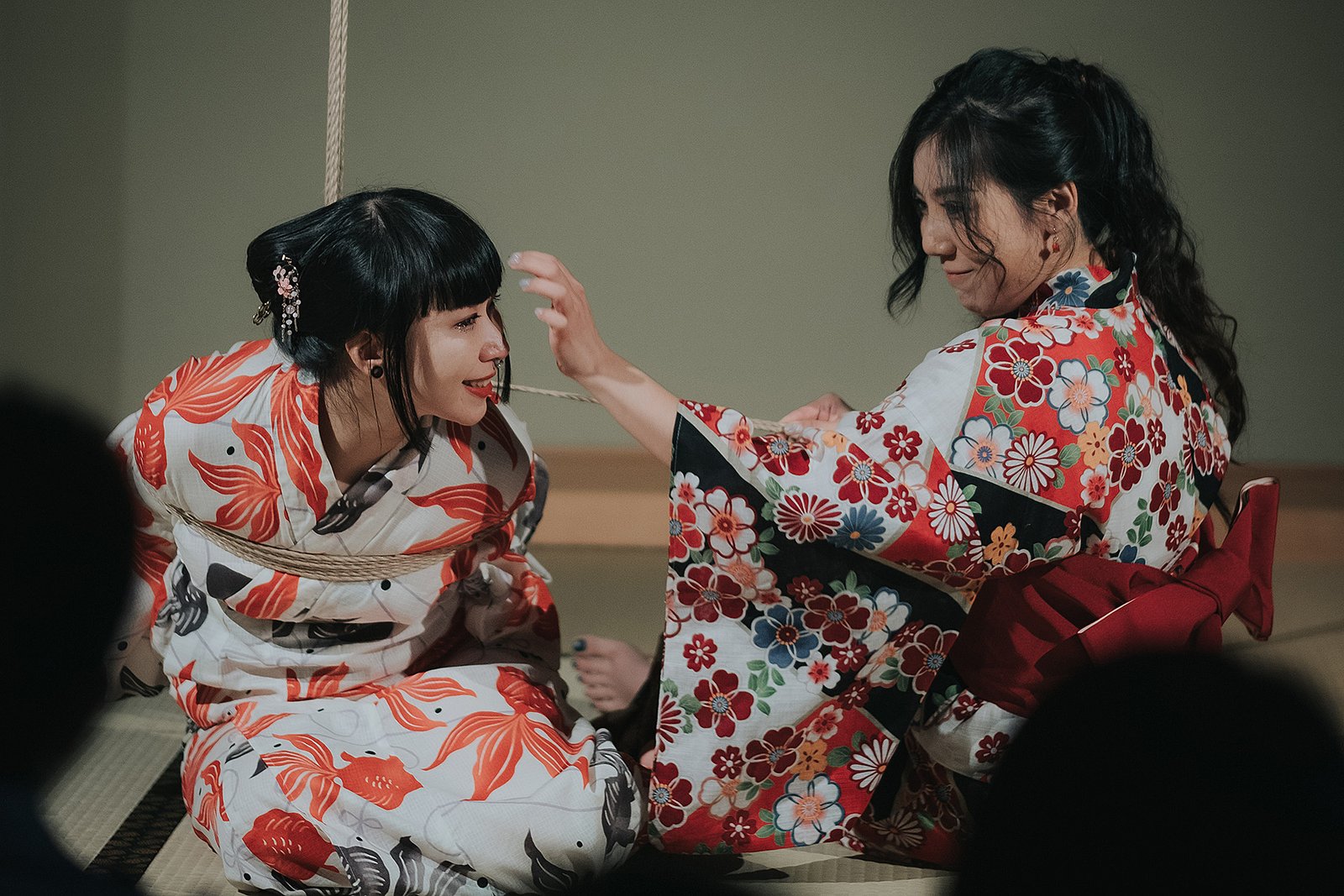
In this session, Subay will discuss her journey into the world of semenawa and how she approaches it in a feminine style. This session will include a discussion and demonstration of floor ties. A big thank you from us to Organic Space, London for hosting Subay for this session. Details: Format: discussion/demonstration Minimum Knowledge...
12 events found.
Naoko
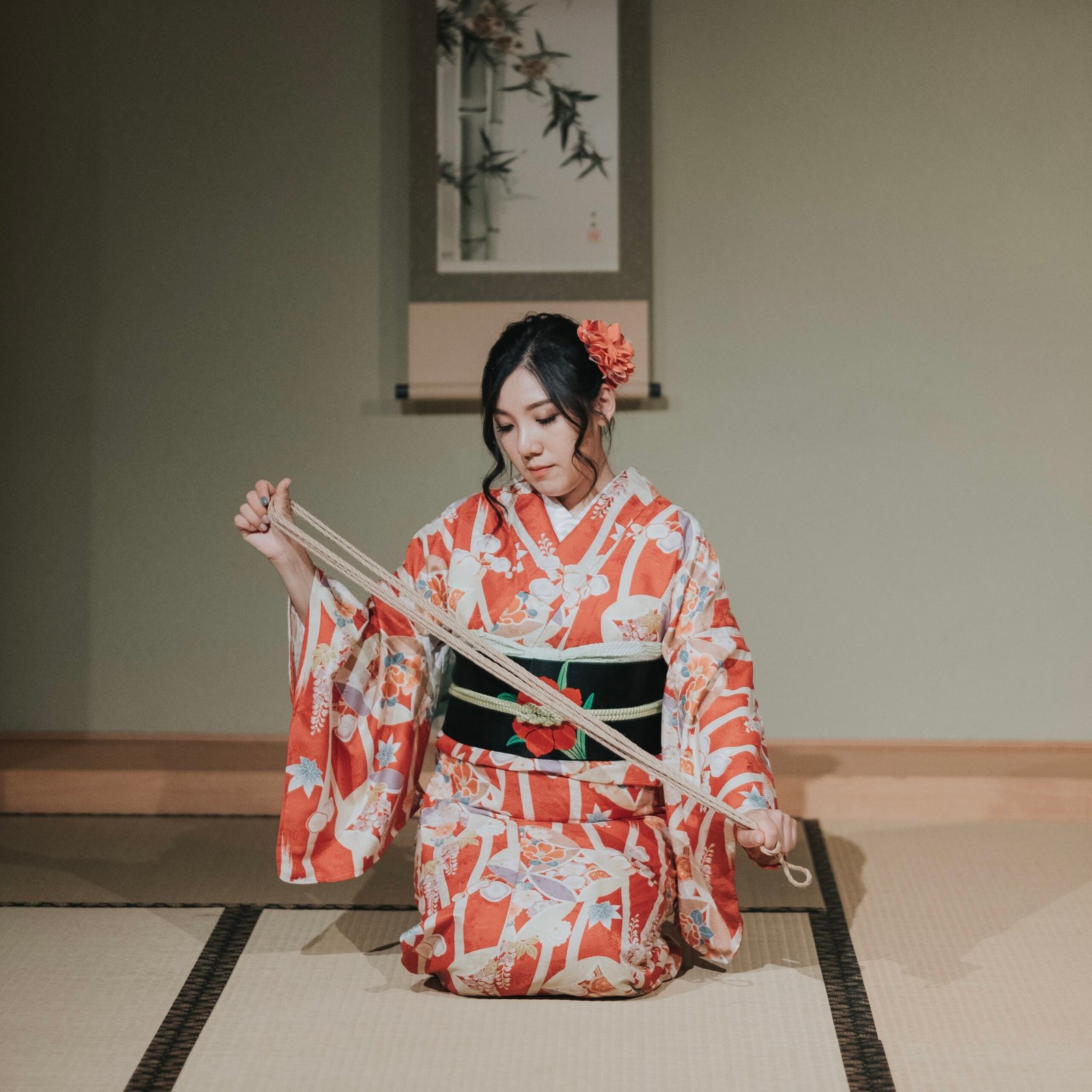
Events from this organiser
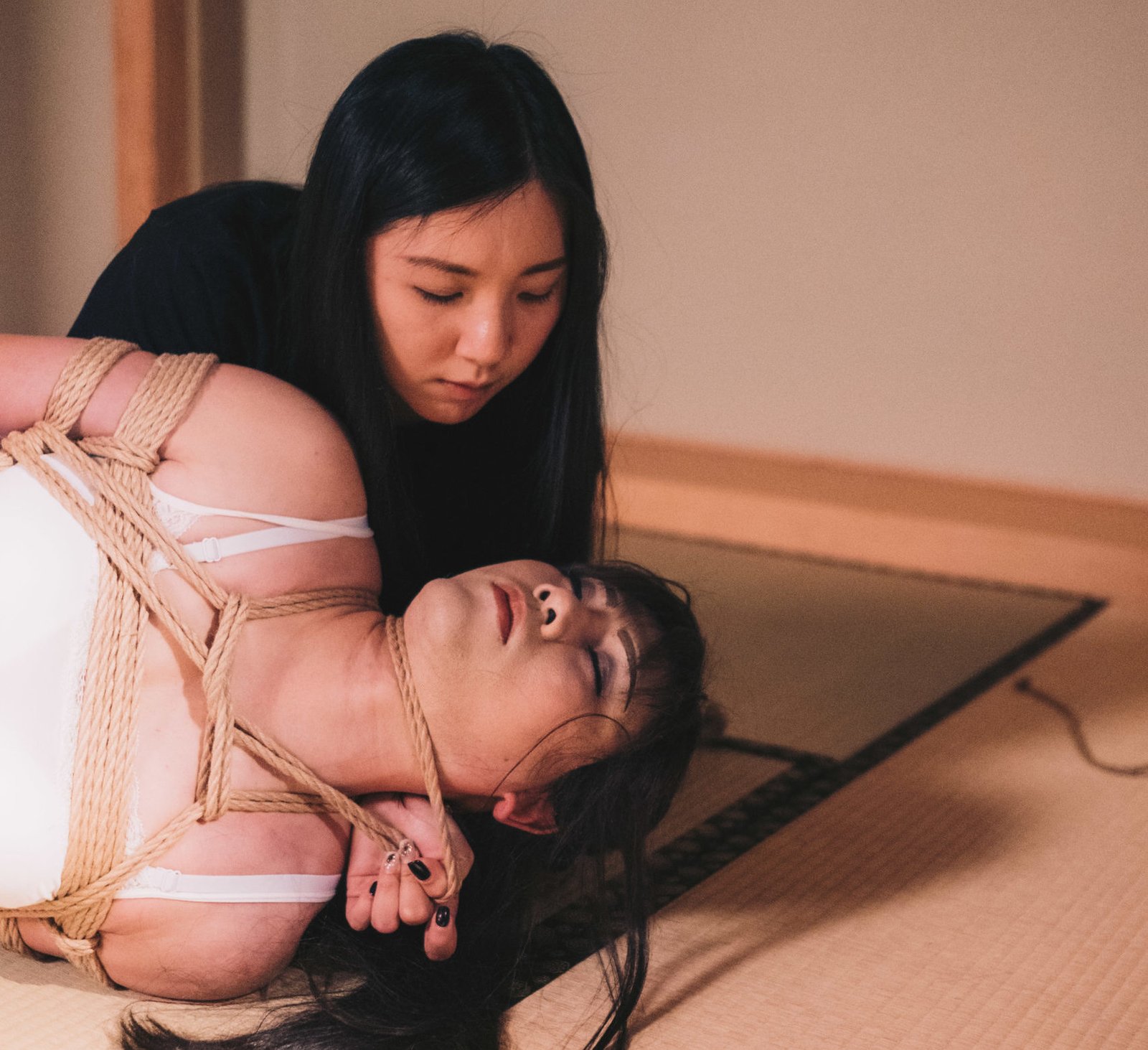
In this session, Subay will share her experience tying diverse bodies. She will discuss general concepts and demonstrate practical skills, including assessing and designing alternative structures, tension control, rope handling, body movement, suspension set-up, and other tips and tricks. * Content of this session is subject to changes (based on the capabilities of Subay and...

This workshop is an introduction to the fundamental elements and philosophy of Naka Style, as interpreted by Naoko. Naka Style follows the tying style of Naka Akira sensei, who recently appointed Naoko as his third deshi (disciple). Naoko will also share her personal approach to semenawa. We will build understanding on three important aspects of...
This workshop is an introduction to the fundamental elements and philosophy of Naka Style, as interpreted by Naoko. Naka Style follows the tying style of Naka Akira sensei, who recently appointed Naoko as his third deshi (disciple). Naoko will also share her personal approach to semenawa. We will build understanding on three important aspects of...
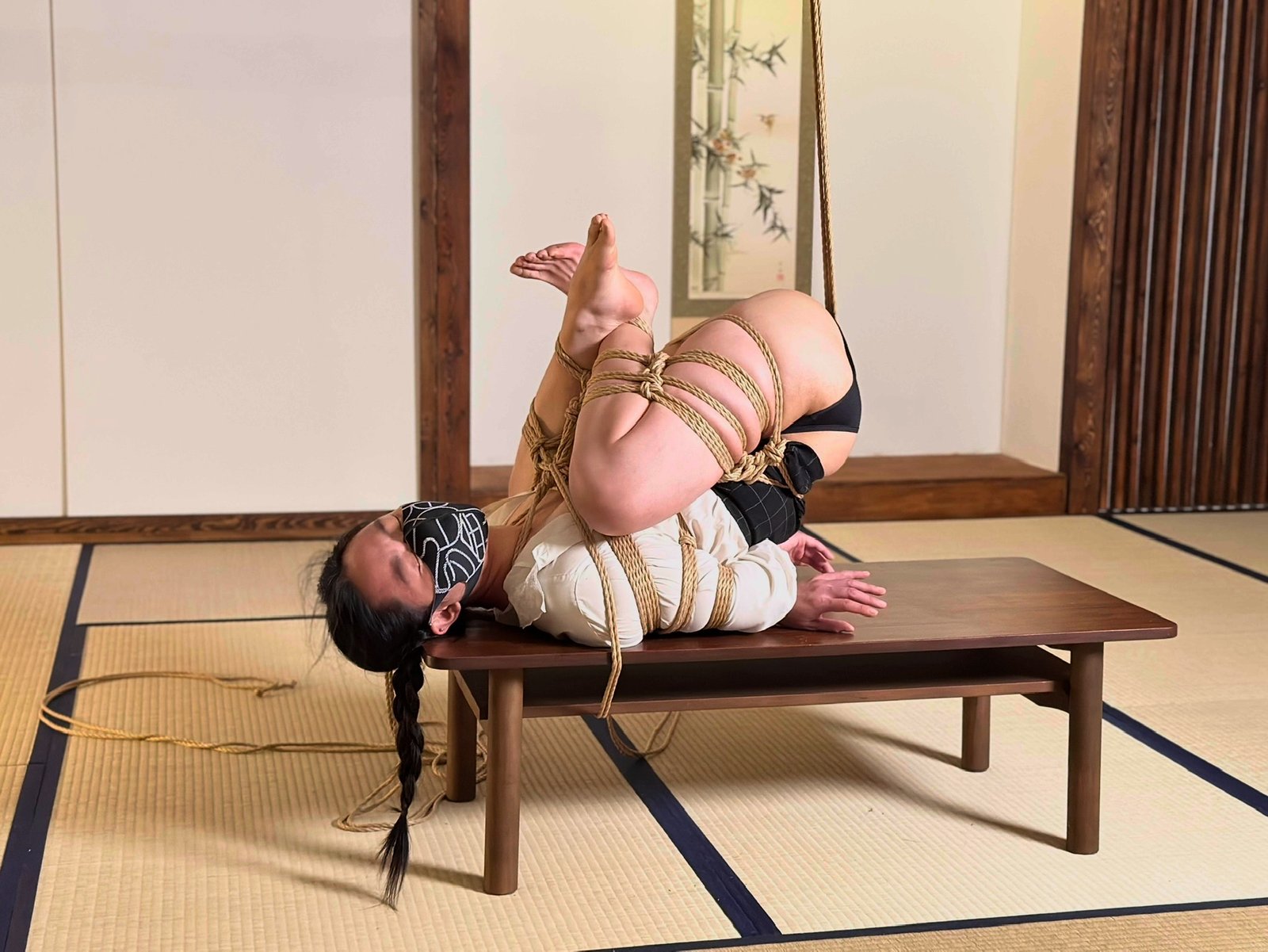
In Shibari, we often see floor tying, partial suspensions, full suspensions, hashira or floating bamboo. Tying to furniture is less explored. In this workshop and demonstration, Naoko will share: - The emotional impact of being tied to a table - Ties that focus on exposure and/or feeling of tight binding - Traditional aesthetics in Table...
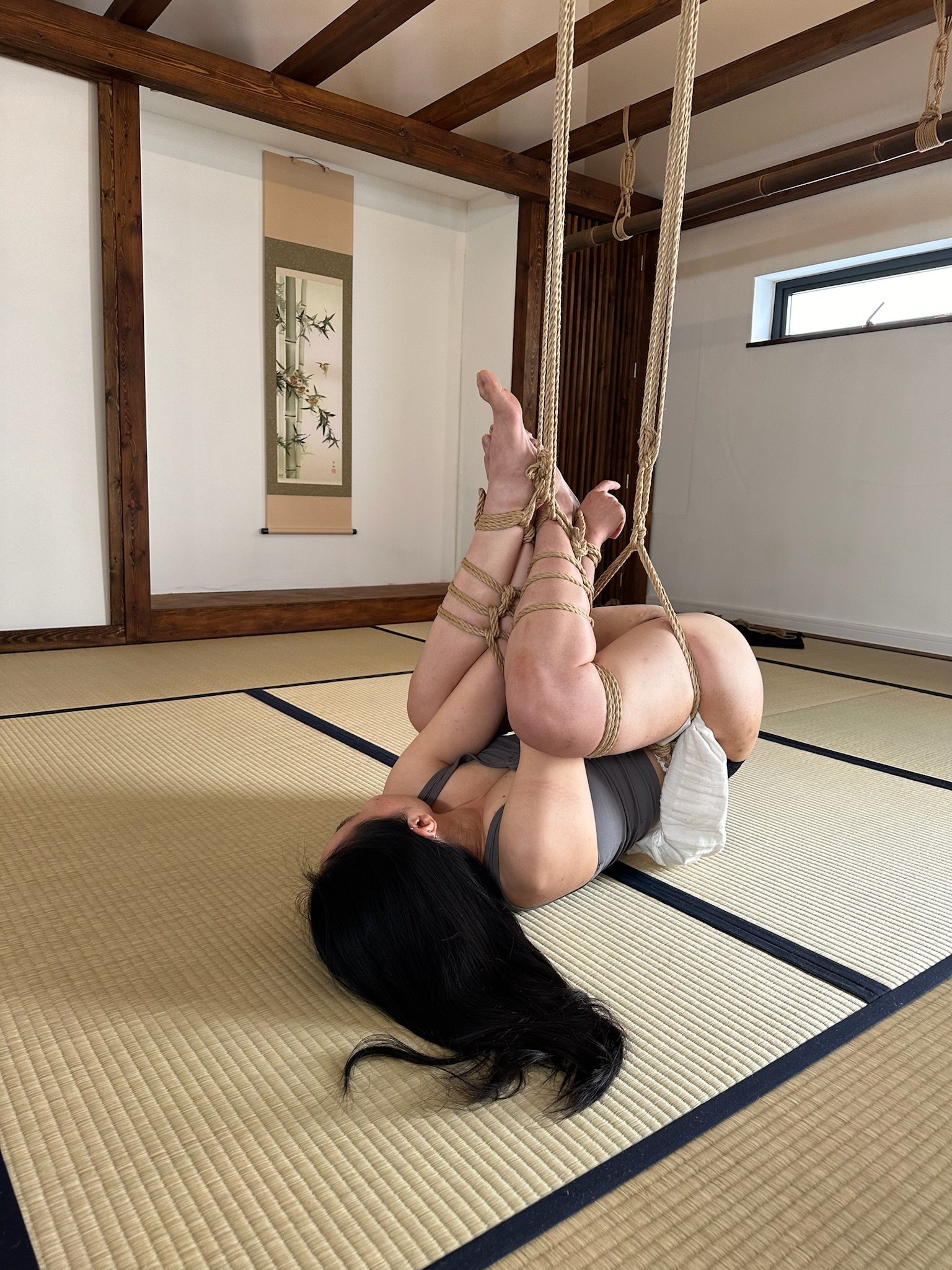
Kani Shibari (蟹縛り), also known as the “crab tie”, is a traditional form of bondage in which the wrists and ankles are tied together, usually with legs spread apart for exposure and shame play. In this workshop, Naoko will explore: - The background and feelings of Kani Shibari - The relationship between M-shape and Kani...
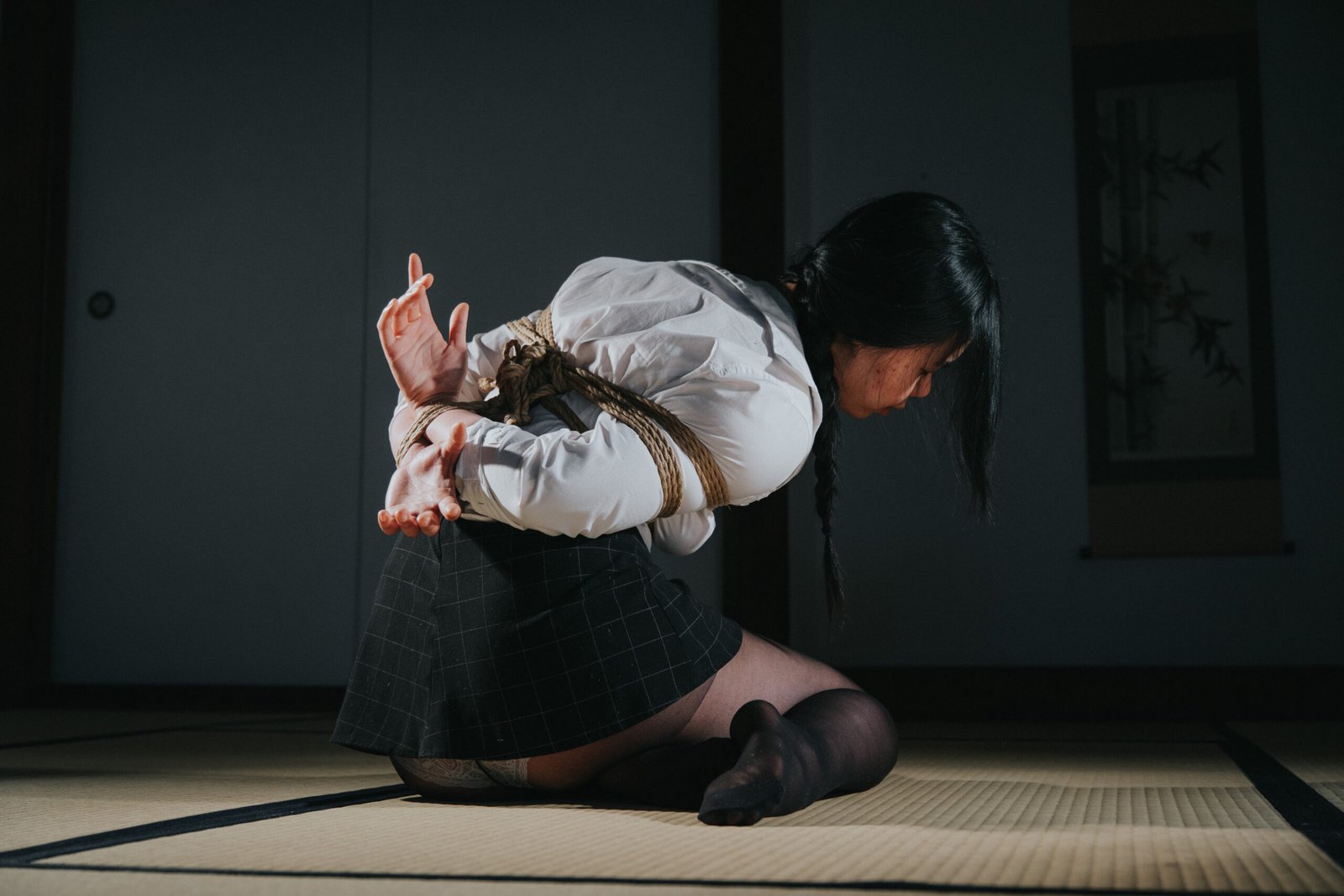
Gote Shibari is one of the most iconic and foundational ties in Japanese rope bondage. In group workshops, especially for beginner and intermediate students, it is often taught as a fixed form. This helps students focus on learning essential technical components. While this approach is valuable for building solid rope techniques, it often leaves little...

Virtual
Nawa Sabaki (Rope Handling)
Virtual Event
Most students begin their shibari learning with foundational techniques such as single & double column tie, frictions, knots, and basic forms. In this class, Naoko will share how she started learning - her first lessons were about nawa sabaki (rope handling) and how to use rope to communicate. Rather than focusing on techniques, this class...
20,00€

Virtual
Hashira Shibari
Virtual Event
Hashira is a vertical wooden post, traditionally found in Japanese architecture. Hashira Shibari (柱縛り) refers to tying to/on/with the hashira. It is commonly associated with suspension, tight binding, inescapable restriction or objectification. In this class, we will take a broader approach, exploring how we can use simple techniques to play. Note: As per request this...
20,00€
Virtual Event
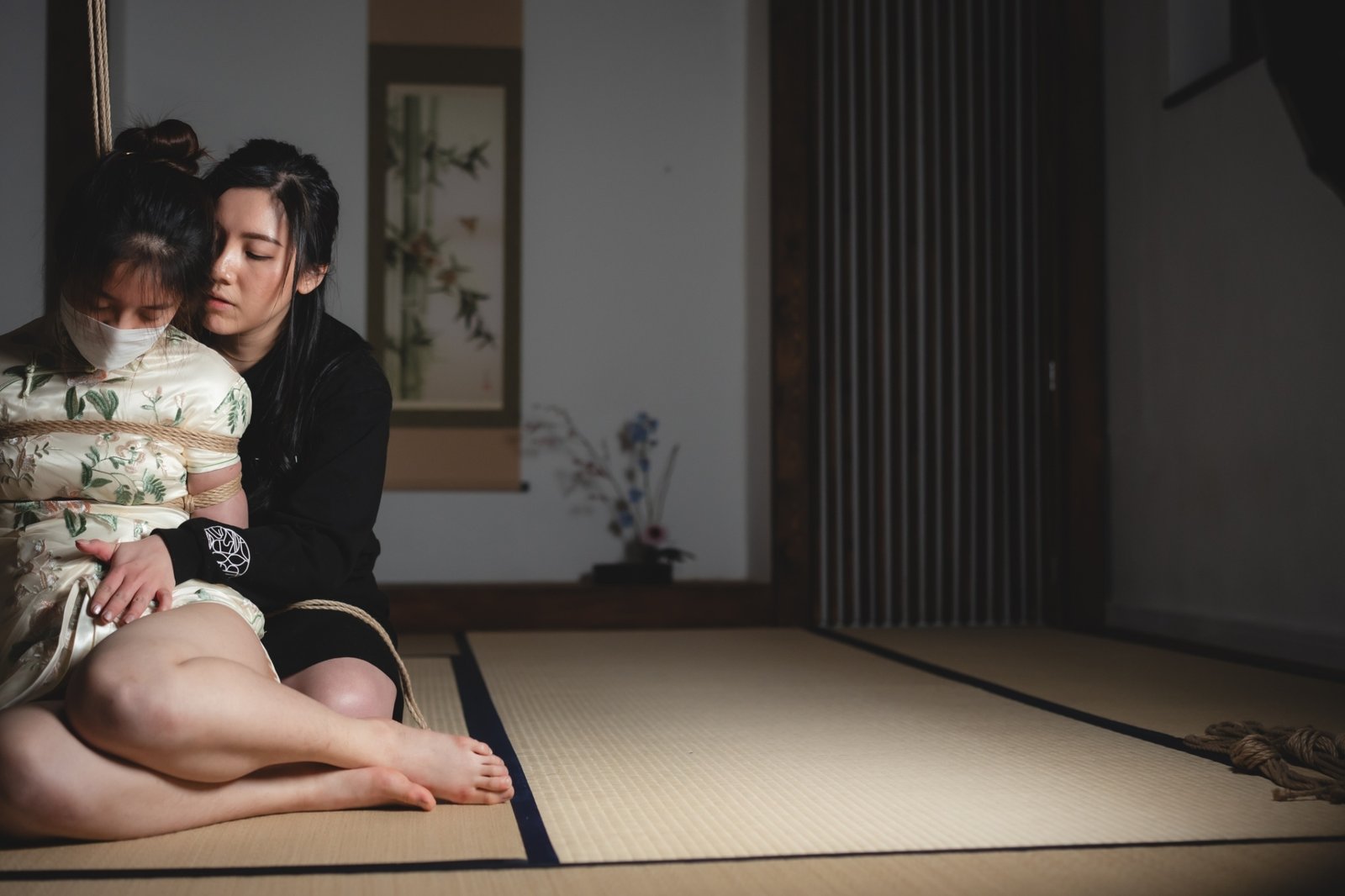
Gote Shibari is one of the most iconic and foundational ties in Japanese rope bondage. In group workshops, especially for beginner and intermediate students, it is often taught as a fixed form. This helps students focus on learning essential technical components. While this approach is valuable for building solid rope techniques, it often leaves little...
67,50€ – 96,00€
Virtual Event
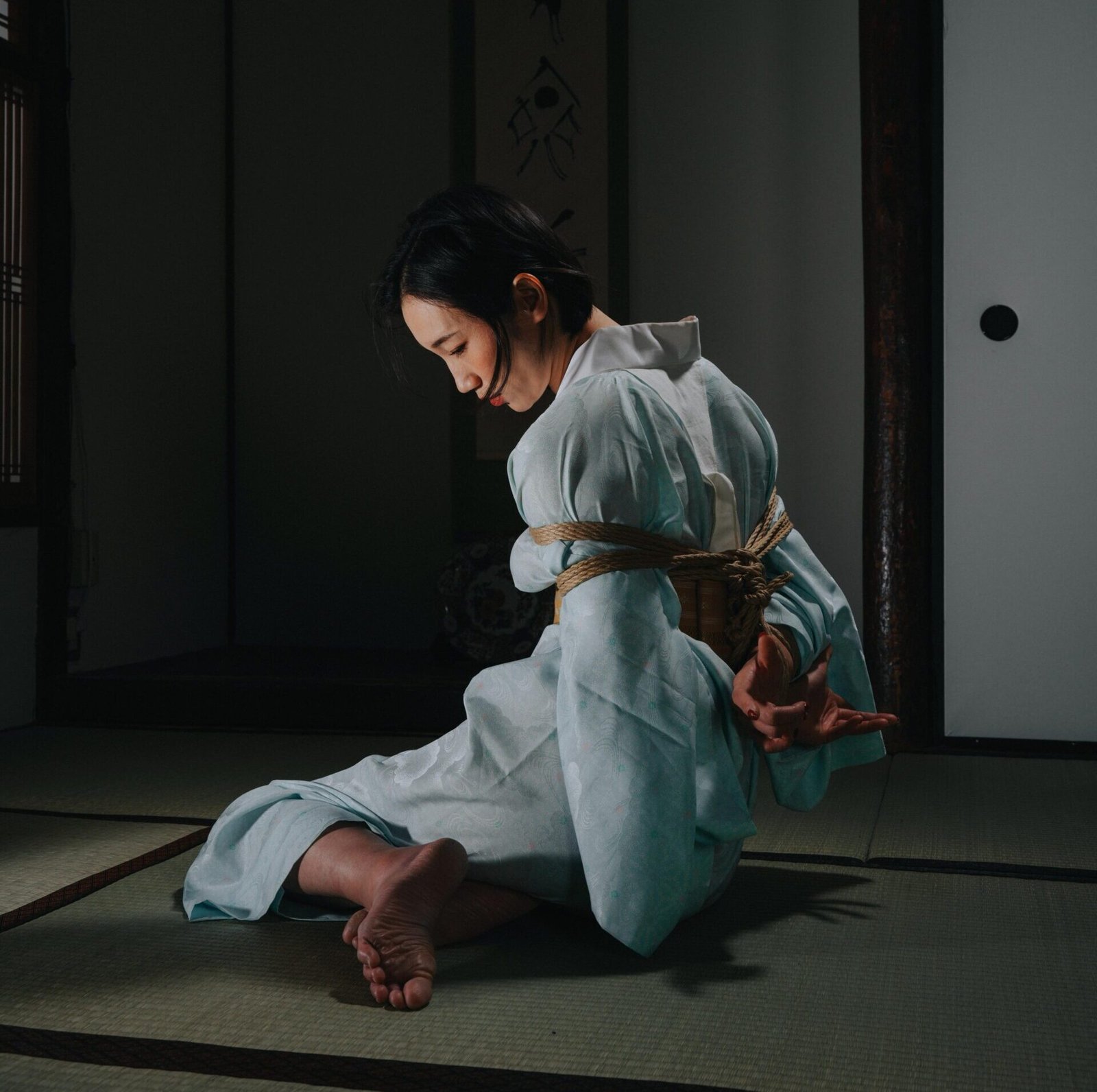
Gote Shibari is one of the most iconic and foundational ties in Japanese rope bondage. In group workshops, especially for beginner and intermediate students, it is often taught as a fixed form. This helps students focus on learning essential technical components. While this approach is valuable for building solid rope techniques, it often leaves little...
67,50€ – 96,00€

Virtual Event
Gote Shibari is one of the most iconic and foundational ties in Japanese rope bondage. In group workshops, especially for beginner and intermediate students, it is often taught as a fixed form. This helps students focus on learning essential technical components. While this approach is valuable for building solid rope techniques, it often leaves little...
67,50€ – 96,00€